

Why Google’s AI mosquito project matters for Zimbabwe’s malaria fight

Why Google’s AI mosquito project matters for Zimbabwe’s malaria fight
For all the News from Mashonaland Central, Join One of Our Groups
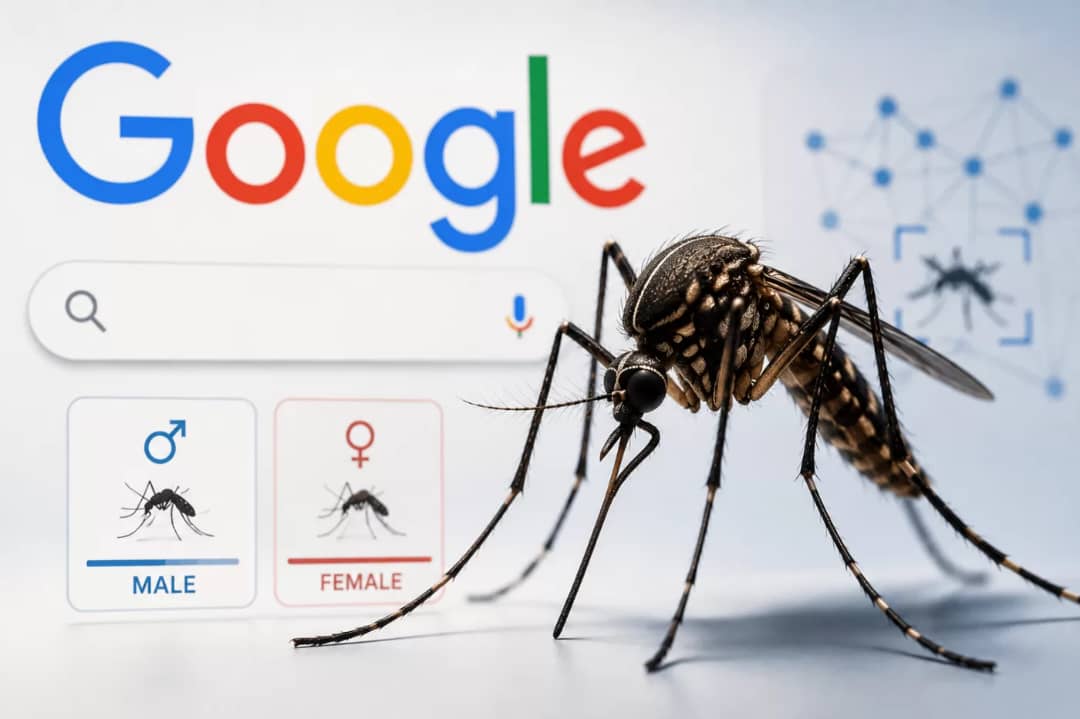
Google is backing an unusual public health approach: releasing large numbers of male mosquitoes in the United States as part of efforts to suppress mosquito populations. The idea is not to add biting insects into communities, but to release males, which do not bite, so they can reduce the next generation of mosquitoes.
The male mosquitoes are associated with Wolbachia, a bacteria that can cause eggs to fail when Wolbachia-carrying males mate with wild females. Over time, repeated releases are intended to lower mosquito numbers in targeted areas.
A key risk in any mass-release programme is quality control: ensuring only male mosquitoes are released. This is where artificial intelligence is expected to play a central role, helping automated systems distinguish male mosquitoes from females during sorting, before release.
While the plan has attracted attention for sounding extreme, Wolbachia-based mosquito programmes have been used in several countries. A trial in Indonesia reported a 77% reduction in dengue cases and an 86% reduction in dengue hospitalisations, and similar approaches have been reported in Singapore and Brazil.
For Zimbabwe and Mashonaland Central, the project is worth following mainly because it shows how technology, including AI, is being applied to public health problems that affect ordinary communities. However, this specific initiative is not designed to target the mosquitoes that spread malaria in Zimbabwe.
The Google-linked programme is aimed largely at Aedes mosquitoes, which transmit dengue, Zika and chikungunya. Malaria, the major mosquito-borne threat in Zimbabwe, is transmitted by Anopheles mosquitoes.
Even so, the broader concept—using targeted biological methods and technology to reduce mosquito populations—could influence future discussions about controlling mosquito-borne diseases on the continent. According to the World Health Organisation (WHO), malaria killed about 610,000 people globally in 2024, with Africa accounting for 95% of deaths. WHO estimates malaria caused about 381 deaths in Zimbabwe in 2024, although the officially reported figure was 107.
For any country considering similar interventions, the story also underlines the operational demands: robust systems, trained personnel and strict checks are essential, especially when relying on automated sorting to prevent accidental release of biting females.
As Zimbabwe continues to strengthen malaria control—through prevention, surveillance and treatment—global developments in vector control, including Wolbachia programmes and AI-assisted monitoring, may offer lessons, even when the initial deployments are happening elsewhere.







Mundubile seeks new party route as Hichilema eyes second term
Mundubile seeks new party route as Hichilema eyes second term For all the News from Mashon…

Baradzanwa Cultural Village Emerges as a Premier New Year Tourism Destination in Mazowe
For all the News from Mashonaland Central, Join One of Our Groups Multitudes of …