

Diplomatic Diplomacy: African Union Envoys Meet Lawmakers Over Constitution Amendment (No. 3) Bill

Diplomatic Diplomacy: African Union Envoys Meet Lawmakers Over Constitution Amendment (No. 3) Bill
For all the News from Mashonaland Central, Join One of Our Groups
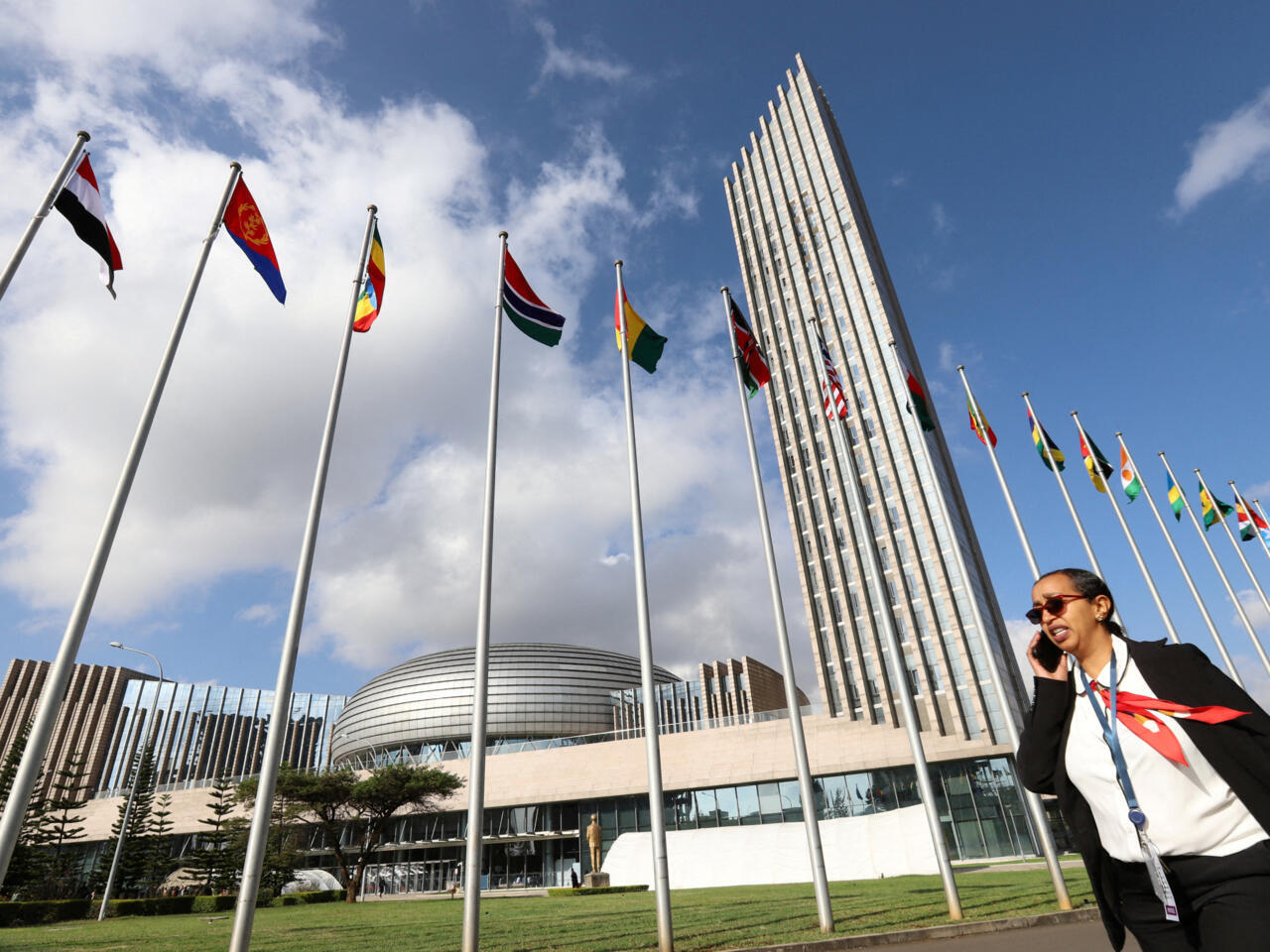
As public hearings on the Constitution Amendment (No. 3) Bill intensify across the country, the legislative process draws regional attention. On Thursday, 2 April 2026, representatives of the African Union (AU) meet Zimbabwean lawmakers in Harare to review the constitutional reform process, raising issues linked to regional human rights and governance standards while acknowledging national sovereignty.
The AU engagement follows petitions sent to Addis Ababa by domestic social justice organisations and civic coalitions. The groups express concern about proposed changes they say affect the democratic intent of the 2013 Constitution, particularly provisions on executive term limits and succession arrangements being pursued under the “2030 Agenda”. They appeal for regional oversight, arguing the proposals could weaken democratic benchmarks on the continent.
The AU delegation meets members of the Parliamentary Portfolio Committee on Justice, Legal and Parliamentary Affairs in discussions described by those familiar with them as diplomatically cautious. The continental body seeks clarity on the legal structure of House Bill 1 of 2026 and on whether the ongoing nationwide consultations are conducted in a genuine, transparent way that allows space for dissenting views.
During the dialogue, AU representatives emphasise principles contained in the African Charter on Democracy, Elections and Governance (ACDEG), which urges member states to uphold constitutionalism and the rule of law. At the same time, they restate that Zimbabwe is a sovereign state and that any decision to amend or retain laws remains with Zimbabwe’s institutions and citizens.
Zimbabwean lawmakers use the meeting to present government’s position to the AU. Ruling party representatives say the amendment process is legal, peaceful and compliant with Section 328 of the Constitution of Zimbabwe. They describe the Bill as an administrative adjustment aimed at sustaining economic continuity and supporting Vision 2030 programmes, rather than a rollback of democratic safeguards.
The AU engagement highlights how constitutional reform debates in Zimbabwe intersect with regional politics. Although the visit does not produce direct intervention, it signals continuing continental and international interest as Zimbabwe proceeds with consultations and prepares for the next parliamentary stages of the Constitution Amendment (No. 3) Bill.







Mundubile seeks new party route as Hichilema eyes second term
Mundubile seeks new party route as Hichilema eyes second term For all the News from Mashon…

Baradzanwa Cultural Village Emerges as a Premier New Year Tourism Destination in Mazowe
For all the News from Mashonaland Central, Join One of Our Groups Multitudes of …