

TelOne revenue rises as legacy debt, cable theft challenge broadband expansion

TelOne revenue rises as legacy debt, cable theft challenge broadband expansion
For all the News from Mashonaland Central, Join One of Our Groups
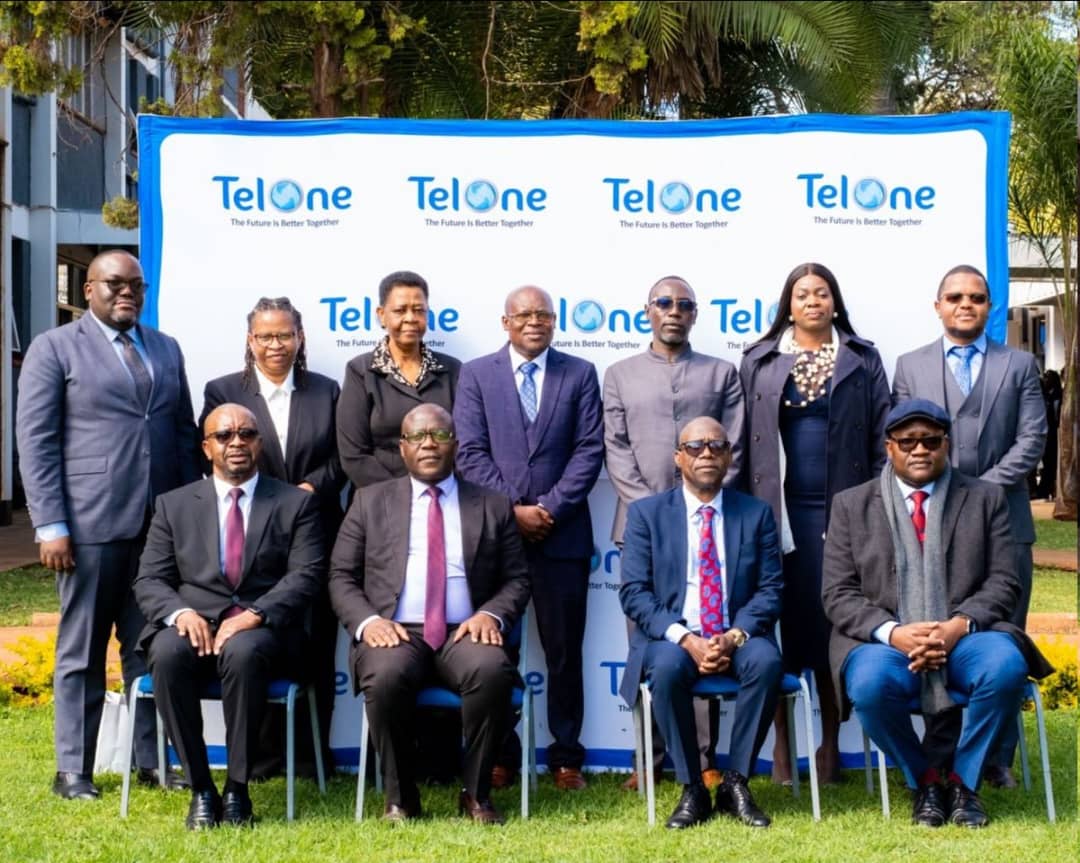
Zimbabwe’s state-owned telecommunications operator TelOne says demand for broadband is driving growth, but legacy debt, delayed payments and vandalism remain major constraints on expansion.
Addressing the company’s 12th Annual General Meeting in Harare on 26 June, TelOne reported a 10% increase in inflation-adjusted revenue to ZWG2.6 billion for 2025. The performance was supported by a 60% rise in data usage, with broadband services contributing 81% of total revenue as customers continue shifting away from traditional voice services.
A key driver highlighted was TelOne’s partnership with low-Earth orbit satellite provider Starlink LEOA. TelOne said revenue from the partnership rose to US$3.7 million in 2025, up from US$215,000 the previous year, reflecting growing uptake of alternative broadband connectivity across Zimbabwe.
The operator also reported improvements in customer experience, service quality and customer satisfaction, which it attributed to ongoing investment in network infrastructure. During 2025, TelOne invested US$7.6 million in expanding its broadband and Fixed Wireless Access (FWA) network, as it seeks to extend high-speed internet access and modernise its systems.
On product development, TelOne introduced TelOne Connect Voice, a digital voice communication platform it says is designed to complement its expanding broadband portfolio as it positions itself as a wider digital services provider.
However, TelOne cautioned that financial pressures continue to limit its ability to scale up investment. The company reported that outstanding government receivables increased by 163% to ZWG857.8 million, tightening liquidity and affecting working capital.
TelOne also flagged inherited legacy debt of ZWG10.95 billion, which it said is approximately US$421.6 million. While it reported a net asset position of ZWG1.4 billion, management said the legacy loans remain a barrier to accessing affordable financing. TelOne and its shareholder are pursuing a debt warehousing strategy aimed at ring-fencing inherited obligations to improve the company’s financial position for future investment.
Infrastructure theft and vandalism were also cited as a growing operational threat. TelOne recorded 336 incidents of copper cable theft in 2025, disrupting services for more than 43,000 customers. The company said restoration costs exceeded US$341,000, while revenue losses were more than US$370,000—figures that it said strengthen the case for migrating away from copper networks towards fibre and wireless technologies.
Looking ahead, TelOne said 2026 begins its five-year strategic plan running through to 2030, aligned with the National Development Strategy 2 and Vision 2030. The plan focuses on expanding digital infrastructure, diversifying revenue, improving efficiency and strengthening customer experience.
Management said successful implementation will depend not only on internal reforms and investment, but also on a more stable macroeconomic environment, including lower inflation and supportive fiscal and monetary policy—factors that influence investor confidence and the ability to mobilise capital for network upgrades and broadband expansion.







Mundubile seeks new party route as Hichilema eyes second term
Mundubile seeks new party route as Hichilema eyes second term For all the News from Mashon…

Baradzanwa Cultural Village Emerges as a Premier New Year Tourism Destination in Mazowe
For all the News from Mashonaland Central, Join One of Our Groups Multitudes of …