

ZMC climate change reporting manual validation targets misinformation, boosts Zimbabwe journalism

ZMC climate change reporting manual validation targets misinformation, boosts Zimbabwe journalism
For all the News from Mashonaland Central, Join One of Our Groups
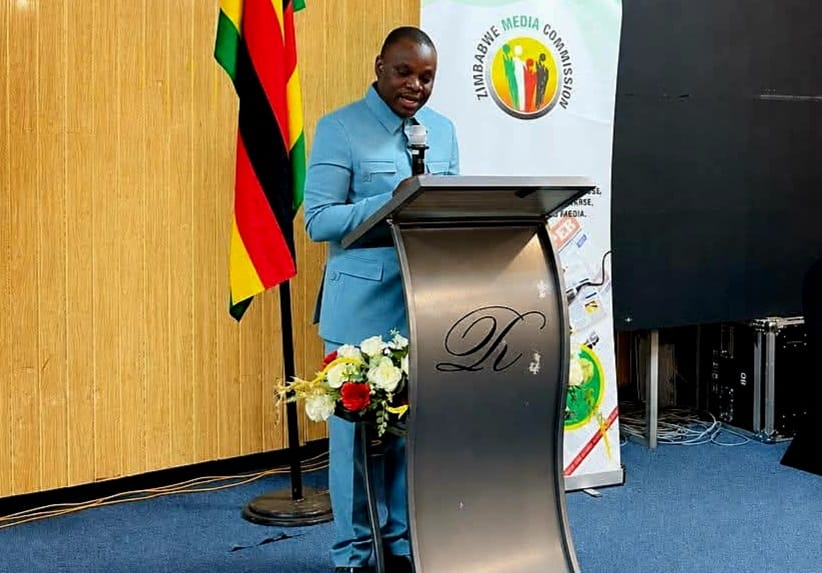
The Zimbabwe Media Commission (ZMC) has begun validating a draft Climate Change Reporting Manual aimed at strengthening how journalists cover climate science amid growing misinformation and disinformation.
The validation meeting was held in Harare on 30 July 2026, bringing together stakeholders to review the draft and suggest improvements before it is adopted as a reference for newsrooms and training institutions.
According to information presented at the meeting, the draft manual is organised into eight modules. These cover core climate change concepts, adaptation and mitigation, and guidance on distinguishing verified information from false claims in climate reporting.
Permanent Secretary in the Ministry of Information, Publicity and Broadcasting Services, Nick Mangwana, welcomed the initiative, saying it would help journalists communicate complex climate facts more accurately. His remarks were delivered on his behalf by the ministry’s Director of Media and Information Services, George Chisoko.
“The manual comes at the right time to enhance the ability of journalists to report on climate science. This bridges the gap between journalism and science, enabling journalists to accurately disseminate complex issues in an era defined by misinformation and disinformation,” Mangwana said.
ZMC Executive Secretary Godwin Phiri said the manual was designed as a practical tool for media practitioners, including reporters, editors and researchers, with a focus on professional and ethical coverage.
“It is essential that media practitioners are equipped with the knowledge, skills, and ethical guidance necessary to report on climate issues professionally and responsibly. The manual is intended to provide practical guidance on climate terminology, scientific information, ethical reporting, verification of climate-related claims, and inclusive, solution-oriented journalism,” Phiri said.
The Ministry of Environment, Climate and Wildlife also linked the manual to disaster risk management and development planning. Acting Deputy Director of Carbon Markets, Tirivanhu Muhwati, said climate considerations were increasingly central as Zimbabwe works to industrialise.
“Zimbabwe is industrializing, and we acknowledge that this development adds to our carbon emissions, meaning we need to act. Resultantly, the National Development Strategy 2 (NDS2) regards climate change as a cross-cutting matter with severe consequences for the country’s development,” Muhwati said.
For communities in Mashonaland Central—where livelihoods are closely tied to farming, water availability and weather patterns—officials said improved climate change reporting can support public understanding and informed decision-making, particularly during droughts, heatwaves and erratic rainfall seasons.
Stakeholders said the draft remains open to refinement, with recommendations from the validation process expected to shape the final document and its use in strengthening evidence-based climate journalism in Zimbabwe.



From a tobacco field to Africa’s rising steel giant: the story of Manhize
From a tobacco field to Africa’s rising steel giant: the story of Manhize For all th…

Baradzanwa Cultural Village Emerges as a Premier New Year Tourism Destination in Mazowe
For all the News from Mashonaland Central, Join One of Our Groups Multitudes of …