

Zimbabwe Senate passes Amendment Bill that could keep Mnangagwa in office to 2030

Zimbabwe Senate passes Amendment Bill that could keep Mnangagwa in office to 2030
For all the News from Mashonaland Central, Join One of Our Groups
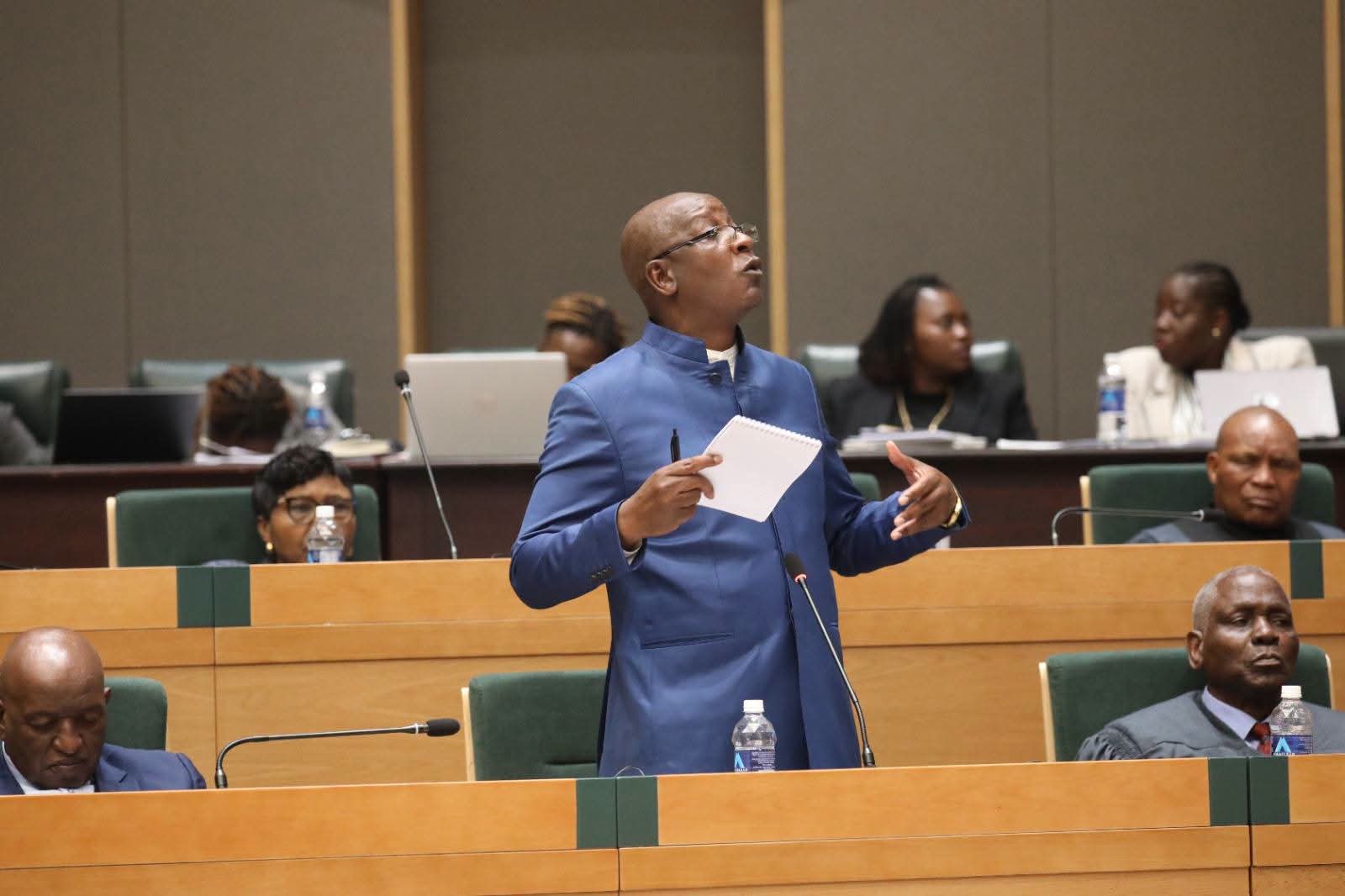
Zimbabwe’s Senate on Wednesday passed the Constitution of Zimbabwe Amendment (No. 3) Bill, clearing a key parliamentary hurdle for proposed constitutional changes that could allow President Emmerson Mnangagwa to remain in office until 2030.
The Bill was approved with 75 votes in favour, exceeding the two-thirds majority required for constitutional amendments. Four senators voted against it, while one abstained.
The vote also underscored shifting alliances in Parliament following the 2023 elections. The report of proceedings indicates that although Zanu PF did not have sufficient numbers on its own to guarantee the Bill’s passage, support from traditional chiefs, representatives of persons with disabilities and some opposition legislators helped push it through.
Several senators aligned to the faction led by Sengezo Tshabangu backed the legislation. Tshabangu has been central to changes within the opposition after recalling dozens of Citizens Coalition for Change (CCC) legislators from Parliament, a move that altered the balance of seats in both the National Assembly and the Senate.
Opposition resistance was limited, with Senators Sesel Zvidzai, Solani Moyo, Meliwe Phuthi and Nonhlanhla Mlotshwa among those recorded as voting against the proposed amendments.
Debate on the Bill exposed divisions within opposition ranks, with some senators rejecting the amendments outright and others expressing reservations while indicating support for specific provisions.
Among the changes highlighted in the Bill is a proposal to extend presidential terms from five years to seven years. The amendments also introduce a provision allowing future presidents to be elected by Parliament rather than through a direct popular vote.
The legislation now awaits assent by President Mnangagwa before it can become law.
Discussion about extending the President’s tenure has circulated for several years, with sections of the ruling party publicly advocating for Mnangagwa to remain in office beyond 2028 through party resolutions and campaigns that preceded the constitutional amendment process.
Mnangagwa assumed office in November 2017 after the removal of former President Robert Mugabe, who had led Zimbabwe since independence in 1980.
Supporters of the amendments argue that the proposed changes promote continuity, stability and stronger governance structures. Critics say the reforms weaken democratic safeguards and are designed to extend Mnangagwa’s stay in power.







Mundubile seeks new party route as Hichilema eyes second term
Mundubile seeks new party route as Hichilema eyes second term For all the News from Mashon…

Baradzanwa Cultural Village Emerges as a Premier New Year Tourism Destination in Mazowe
For all the News from Mashonaland Central, Join One of Our Groups Multitudes of …