

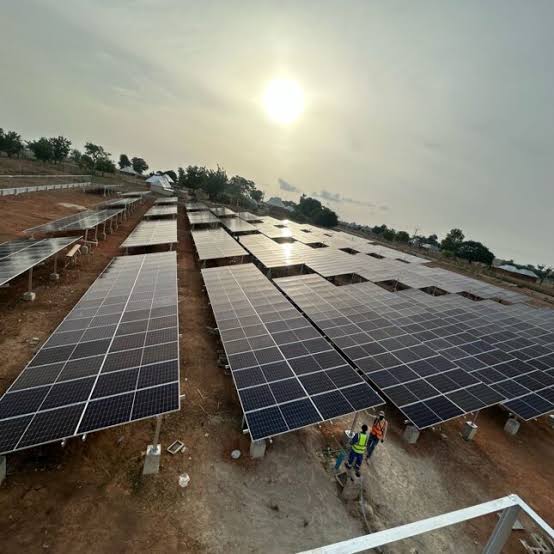
July Moyo commissions Dete solar mini-grid as Zimbabwe targets rural electrification

July Moyo commissions Dete solar mini-grid as Zimbabwe targets rural electrification
For all the News from Mashonaland Central, Join One of Our Groups
The Government of Zimbabwe has commissioned the 120kW Dete Solar Mini-Grid in Hurungwe District, in a move officials say will expand access to reliable electricity for rural households and essential services.
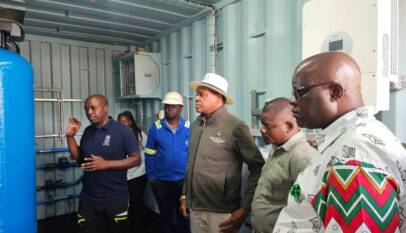
The project was commissioned by the Minister of Energy and Power Development, July Moyo, at a ceremony attended by Government officials, community representatives and development partners, including the United Nations Development Programme (UNDP).
According to information released at the commissioning, the mini-grid is expected to improve access to modern energy services, reduce reliance on firewood and support local livelihoods as Zimbabwe works towards universal access to modern energy services by 2030.
Stakeholders at the event said the mini-grid is already supplying electricity to community facilities including two schools and a clinic, village homesteads and a business centre, as well as community boreholes and local churches.
Officials said the availability of dependable power is expected to strengthen learning outcomes at schools, improve healthcare delivery at the clinic and support water services through electrified boreholes. They also highlighted potential benefits for women and girls, who often spend significant time collecting firewood.
The project was implemented by the Rural Electrification Agency (REA) through the Rural Electrification Fund (REF), with support from UNDP. UNDP provided catalytic funding of more than US$337,000 towards equipment including solar panels, battery storage and inverters, while REA constructed a 5.9km distribution network and installed smart prepaid meters for connected users.
Officials said a Viability Gap Funding (VGF) mechanism was applied to reduce investment risk and encourage sustainable deployment, with the model intended to inform the roll-out of similar renewable energy systems elsewhere in Zimbabwe.
Community members also pointed to economic benefits from electrification, with the mini-grid expected to support small businesses and income-generating activities. Complementary solar energy kiosks in the wider area were cited as providing services such as phone charging, refrigeration, tailoring and retail support.
At the commissioning, Chief Kazangarare welcomed the development and called for continued maintenance and skills development so the system remains operational.
“This is a turning point for our people. When power comes, opportunities come with it especially for schools, the clinic, and our young entrepreneurs. We thank Government and development partners, and we ask that the systems are properly supported so the benefits are sustained,” Chief Kazangarare said.
Officials said the commissioning aligns with Zimbabwe’s National Development Strategy 2 (NDS2), the Rural Energy Master Plan and Vision 2030, and contributes to Sustainable Development Goal 7 on affordable and clean energy.
The mini-grid is part of the UNDP Energy Offer Project, implemented over two years to accelerate access to sustainable, affordable and clean energy. Officials also noted that over 91% of rural households still lack electricity, underscoring the scale of the national electrification gap.




Mundubile seeks new party route as Hichilema eyes second term
Mundubile seeks new party route as Hichilema eyes second term For all the News from Mashon…

Baradzanwa Cultural Village Emerges as a Premier New Year Tourism Destination in Mazowe
For all the News from Mashonaland Central, Join One of Our Groups Multitudes of …